The "Reasons I Love You" Jar, Reinvented: 50 Notes + The Digital Version
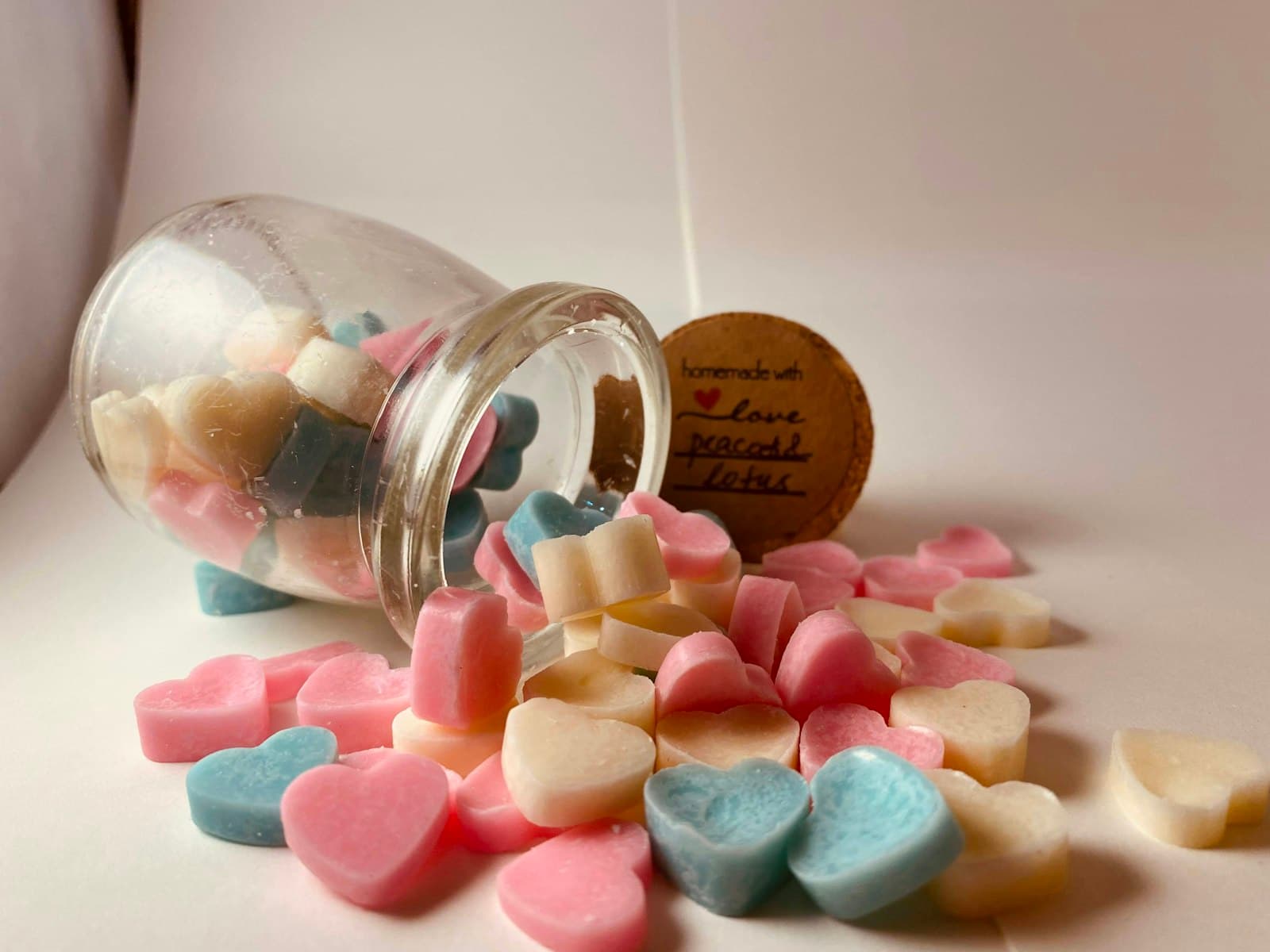
Somewhere on Pinterest right now, someone is cutting colored paper into strips, writing "your laugh" on one of them, and folding it into a mason jar. The "reasons I love you" jar is one of the great DIY love gifts — cheap, personal, impossible to buy in a store — and it has been handed over on anniversaries and Valentine’s Days for decades. It also has one famous flaw, which nobody who’s made one will admit out loud: the recipient dumps it out and reads all hundred notes in forty minutes on the first night.
That’s not a character flaw. It’s design. A jar full of unlocked affection is a jar that gets binged, and a gift meant to last a year is finished by midnight. The fix isn’t writing "only read one per day!!" on the lid — it’s a jar that actually enforces the rhythm. Here’s how to write notes worth rationing, and how the digital version makes the rationing real.
Why the jar works (when it works)
A love letter is one big statement. A jar is a hundred small proofs — and small proofs are what a relationship actually runs on. The jar format forces you to notice specifics: not "I love you," but "I love that you narrate the dog’s thoughts in a voice." Specifics are re-readable. Specifics get kept.
The jar also outlasts the occasion. A card is read at the birthday dinner and filed away; a jar sits on the nightstand and keeps paying out. That’s the whole trick of it: the gift isn’t the notes, it’s the drip.
The gift isn’t the notes. It’s the drip.
50 notes to steal (make 30 of them yours)
Small and specific beats big and generic. Categories, with starters:
Aim for a mix: roughly half one-line specifics, a handful of longer letter-style notes for the heavy hitters, and a few instructions ("call me when you read this one"). If every note is a grand declaration, the hundredth one lands like the first — flat. The mundane ones make the big ones hit.
- Tiny habits: the way you hum while cooking · how you always check the door twice · the face you make at bad parking
- Moments with coordinates: aisle 7, arguing about cereal · the rain on the drive to your mom’s · the night the power went out
- Things they don’t know they do: you thank bus drivers every time · you get quietly fierce when someone’s left out
- Bad-day notes: open this one on a day nothing went right · you’ve survived 100% of your worst days · put my hoodie on, that counts as a hug
- Running jokes: only the two of you know these — that’s why they’re the best slips in the jar
- Plain declarations, rationed: you’re my favorite person · I’d pick you again in every version of this
The binge problem — and the digital fix
Paper can’t tell time. Whatever you write on the lid, a paper jar is an all-you-can-read buffet, and affection you binge doesn’t register the way affection that arrives does. The digital version fixes exactly this: on OpenWhen you fill a jar with up to 100 notes and letters, choose a rhythm — one a day, every other day, weekly — and send one link. The next note stays genuinely sealed until its moment comes. No peeking, enforced for real.
It also solves the problems paper never could: it works across an ocean (the #1 reason people make these jars is distance), nothing gets lost in a move, every opened note stays saved to reread, and each slip can carry a short note or a full 8,000-character letter behind a two-line preview.
And if the jar should hold more voices than yours — a birthday jar from the whole friend group, a farewell jar from the team — a Group Jar lets everyone drop in a signed note through one invite link, no accounts, and the recipient unwraps one voice at a time.
If you still want the physical jar
Make both. The mason jar is a beautiful object — do 20 paper slips for the shelf, and put the other 80 in a digital jar that drips one a day. The paper jar is the keepsake; the digital jar is the ritual. (If you’re going paper-only: fold each note differently so re-folding is obvious, date a few for specific days, and accept that the binge is coming.)
When to give it
Anniversaries and Valentine’s are the classics, but the jar is strongest where the days are hardest: a deployment, a semester abroad, a long-distance stretch, a recovery, the months after a move. "One note a day until I see you again" is a better gift than anything you can ship — it makes the distance itself the container.
"One note a day until I see you again" beats anything you can ship.
Frequently Asked Questions
What do you write in a "reasons I love you" jar?
Specifics. Tiny habits ("the way you hum while cooking"), memories with a time and place, running jokes, bad-day encouragement, and a few plain declarations. Mix short one-liners with a couple of longer letters. Avoid filling it with generic quotes — the notes they’ll reread are the ones only you could have written.
How many notes should go in the jar?
Anywhere from 30 to 365. For a digital drip jar, 30–100 works beautifully: at one a day that’s one to three months of arriving affection. Quality beats count — 40 specific notes outperform 365 generic ones.
How do I stop them reading all the notes at once?
With paper, you mostly can’t — lids and honor systems lose to curiosity every time. A digital drip jar enforces the rhythm for real: the next note stays sealed until the interval passes (one a day, every other day, or weekly on OpenWhen), and everything already opened stays readable forever.
Is there a digital version of the love notes jar?
Yes — OpenWhen’s Note Jar. Fill it with up to 100 notes and full letters, pick the unwrap rhythm, and share a single link. Free for up to 7 notes with no account; a full jar is a one-time $3.99. There’s also a Group Jar where friends and family each drop in signed notes.
What’s a good jar for long distance?
Title it "Notes Until I See You Again" and set it to one note a day. Every morning of the separation, one thing arrives from you — and unlike a care package, it lands instantly, anywhere on earth, and can’t get stuck in customs.
Letters for This Moment
Your Anniversary
A sealed letter they open on your anniversary — more personal than a card, more meaningful than a gift.
Long Distance Relationships
Create sealed letters your partner can open at exactly the right moment — when they miss you, need comfort, or just want to feel close.
You Miss Me Letters
Seal your words now. They'll open them later — at exactly the moment they need you most.